


科学讲座——生命的火花:从植物细胞到人类思维——中德视角下的神经科学、再生医学与人工智能
This DAAD Science Lecture brings together leading researchers from Europe and Greater China to follow that story from its roots to its frontiers: the ancient electrical signals plants use to sense their world, stem-cell strategies that could reverse age-related brain decline, AI tools that help decode emotion and mental illness, and engineering breakthroughs that restore lost senses. The opening talk connects directly to this year’s Nobel Prize in Physiology or Medicine, awarded for the discovery of optogenetics: the light-controlled “molecular switch” for nerve cells. Together, the talks trace one simple idea of the excitable cell all the way from plants to the human mind. The event highlights the strength of Sino-German scientific collaboration and showcases Germany as a leading hub for neuroscience and life sciences research.
Registration:
please register at the following link: https://www.wenjuan.com/s/UfE3Ij4/#
Programme
Each talk: 20-minute keynote followed by 5 minutes of Q&A.
| Time | Programme Item |
| 15:00 – 15:30 | Registration & Welcome Reception |
| 15:30 – 15:40 | Opening Remarks (Host Institution SUAT / German Consulate General / DAAD / EURAXESS) |
| 15:40 – 16:05 | Talk 1
Prof. Dr. Rainer Hedrich, Chair Professor, Department of Biological Sciences, SUAT “Optogenetics Breaks New Ground in Plant Signaling” |
| 16:05 – 16:30 | Talk 2
Prof. Ralf Jauch, The University of Hong Kong (HKU) & Centre for Translational Stem Cell Biology (CTSCB) “Directly Reprogramming Blood into Neural Stem Cells to Model and Target Age-Linked Neurodegeneration” |
| 16:30 – 16:55 | Talk 3
Prof. Michael Häusser, University College London (UCL) & The University of Hong Kong (HKU) “Optical Approaches for Measuring Synaptic Efficacy In Vivo” |
| 16:55 – 17:25 | Coffee Break & Networking |
| 17:25 – 17:50 | Talk 4
Prof. Benjamin Becker, The University of Hong Kong (HKU) “Opportunities for Computational and AI Strategies in Human Neuroscience and Mental Health” |
| 17:50 – 18:15 | Talk 5
Prof. Jan Schnupp, The Chinese University of Hong Kong (CUHK) “Hearing at Time Scales from Seconds to Microseconds: Implications for the Design of Neuroprosthetic Devices” |
| 18:15 – 18:40 | Talk 6
Prof. Liping Wang, Director, Brain Cognition and Brain Diseases Institute (BCBDI), SIAT, Chinese Academy of Sciences “Survival Circuit Dysfunction in Psychiatric and Metabolic Comorbidity: Insights from Behavioral Plasticity and Brain-Body Crosstalk” |
| 18:40 – 21:00 | Networking Dinner |
Speakers
 © Rainer Hedrich |
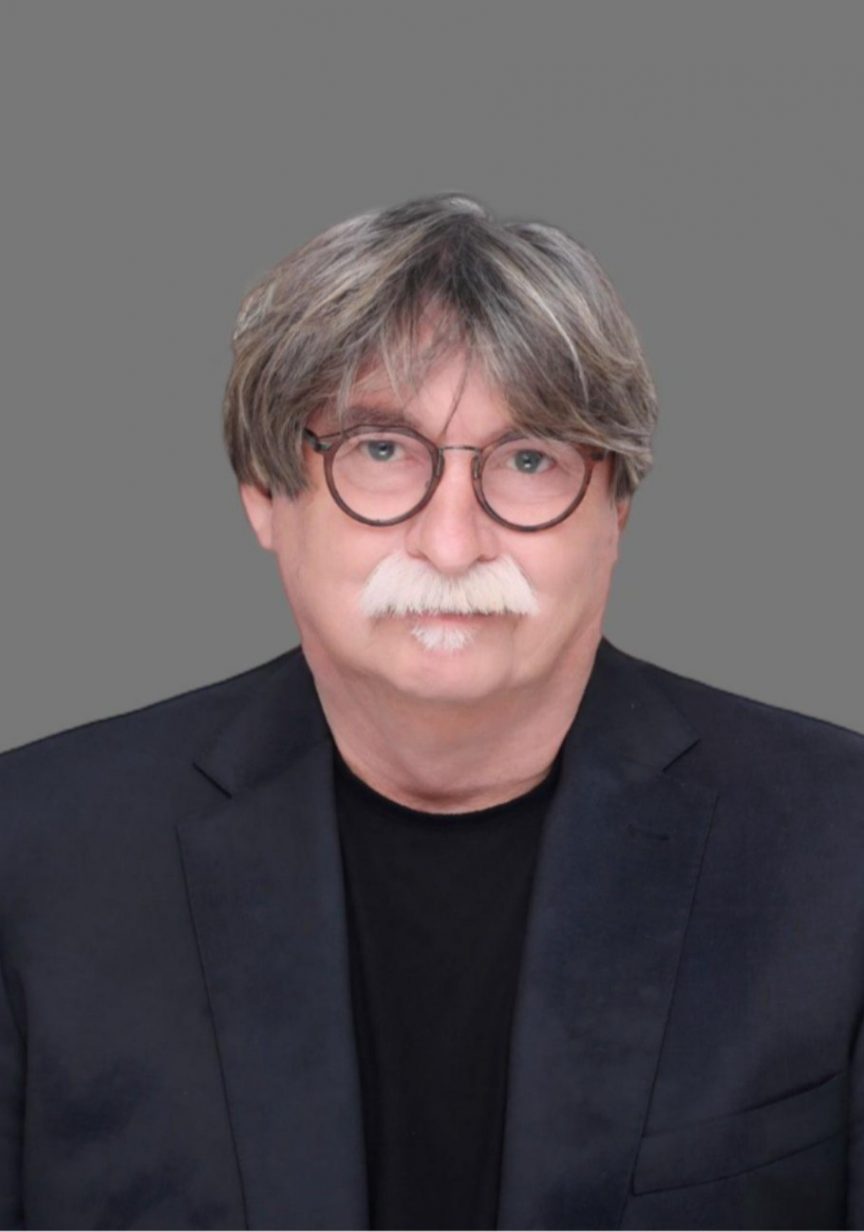
Prof. Dr. Rainer Hedrich
Chair Professor, Department of Biological Sciences, Shenzhen University of Advanced Technology (SUAT); Principal of the Institute of Emerging Agricultural Technology Talk: Optogenetics Breaks New Ground in Plant Signaling Rainer Hedrich is a distinguished plant biophysicist. He received his PhD in Biology from the University of Göttingen in 1985 and subsequently conducted postdoctoral research with Nobel Laureate Prof. Erwin Neher at the Max Planck Institute for Biophysical Chemistry. Prof. Hedrich is internationally recognized for his pioneering contributions to plant ion channel research. By introducing the patch-clamp technique into plant biology, he provided the first direct evidence for the existence of ion channels in plant cells, helping to establish plant electrophysiology as a research field. His research spans plant membrane transport, ion channels and transporters, guard cell signaling, calcium signaling, plant electrical excitability, and optogenetic tools for controlling plant signaling. He was elected a member of the German National Academy of Sciences Leopoldina in 2005 and received an ERC Advanced Grant in 2010, as well as the Körber European Science Prize in 2001. |
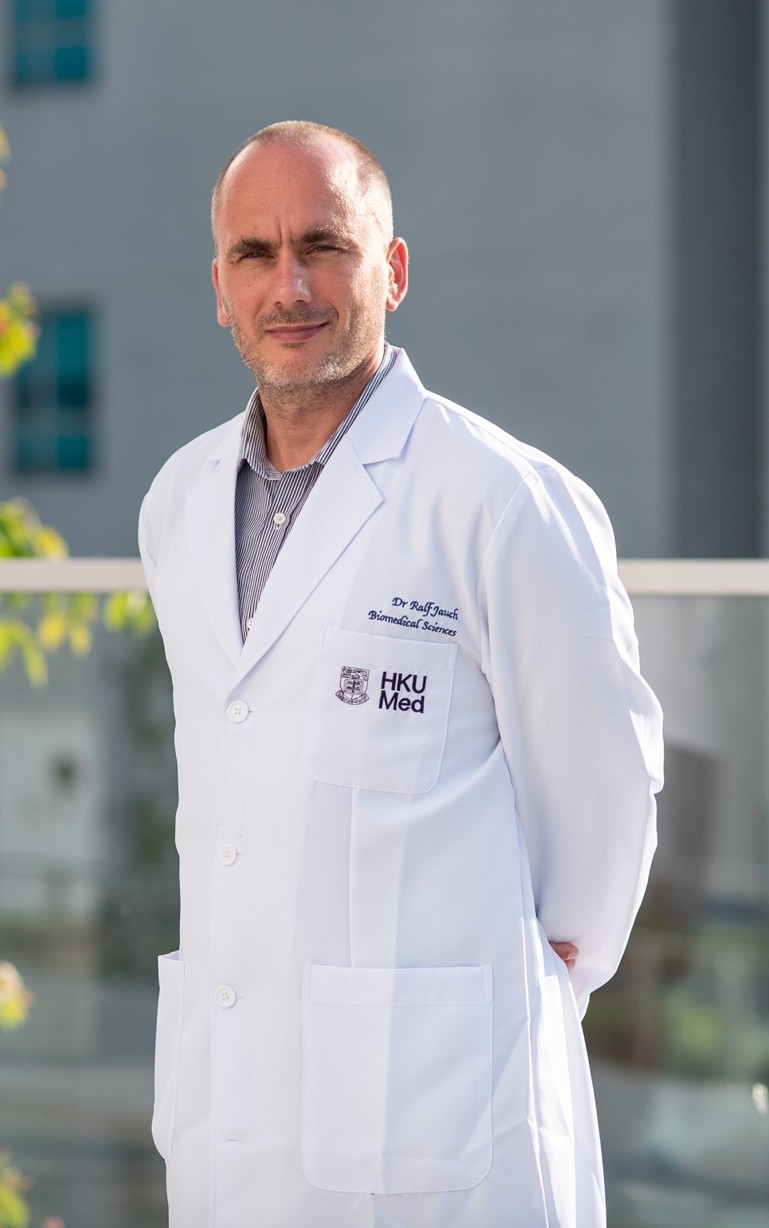 © Ralf Jauch |
Prof. Ralf Jauch
The University of Hong Kong (HKU) & Centre for Translational Stem Cell Biology (CTSCB) Talk: Directly Reprogramming Blood into Neural Stem Cells to Model and Target Age-Linked Neurodegeneration Abstract Stem cells have transformed how we model human disease and design therapies. Yet conventional stem cell platforms can be slow to generate, involve potentially tumour-forming pluripotent states, and erase cellular ageing signatures, limiting their value for late-onset neurodegeneration. We use redesigned transcription factors to reprogram blood cells into induced neural stem cells (iNSCs) that expand as stable clonal lines, differentiate effectively, and bypass pluripotency. These iNSCs retain age-linked vulnerabilities and give rise to more mature neurons, enabling us to uncover cellular features of amyotrophic lateral sclerosis (ALS). I will discuss how we are developing blood-to-iNSC technology as a platform for studying human disease biology, discovering interventions, and providing a potential source of cells for personalised cell therapy. Ralf Jauch is a tenured full Professor at the University of Hong Kong and Associate Director (Knowledge Exchange and Global) at the School of Biomedical Sciences. He joined HKUMed in 2018 and established a multidisciplinary research programme at the interface of protein engineering and stem cell biology. His work focuses on improving the quality, utility and efficiency of stem cell generation by re-engineering pioneer transcription factors and studying their evolution. He completed his undergraduate studies at the Universities of Jena, Germany, and Manchester, UK, and obtained his PhD in Structural Biology from the International Max Planck Research School in Göttingen. In 2006, he moved to Asia to join the Genome Institute of Singapore. In 2013, he joined the Guangzhou Institute of Biomedicine and Health as a Principal Investigator, where he established the GIBH–Max Planck Center for Regenerative Medicine and served as its deputy director. |
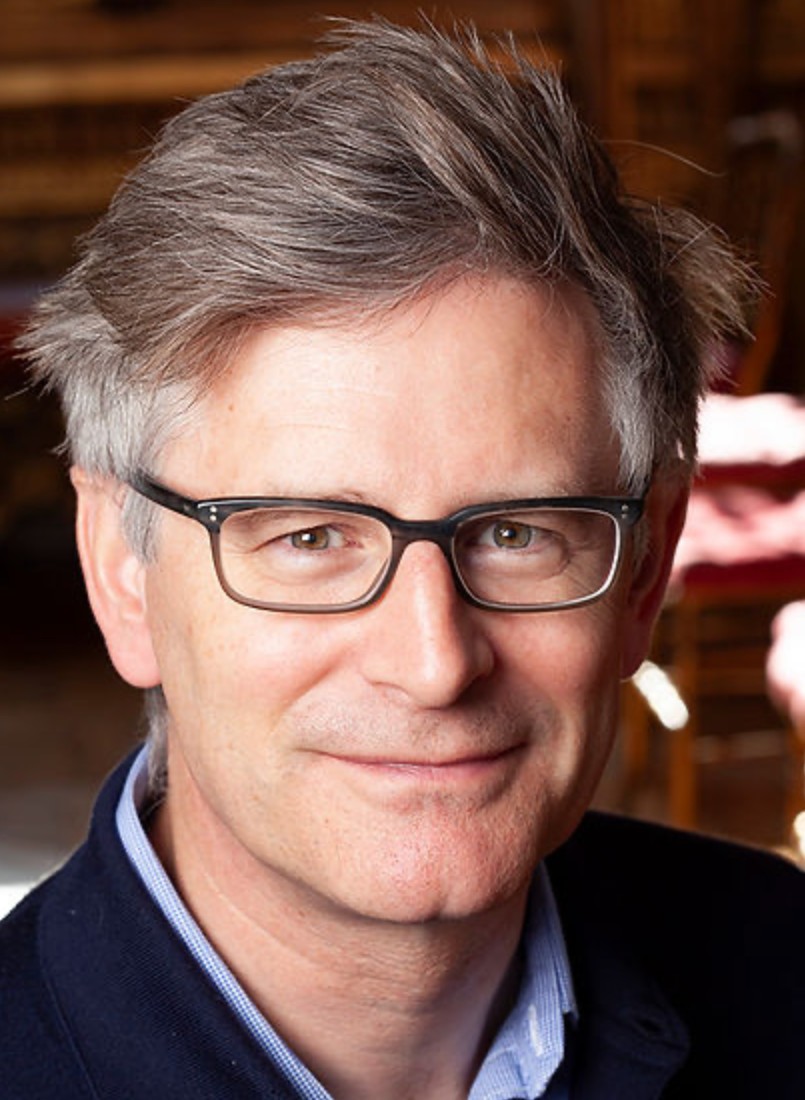 © Michael Häusser |
Prof. Michael Häusser
University College London (UCL) & The University of Hong Kong (HKU) Talk: Optical Approaches for Measuring Synaptic Efficacy In Vivo Abstract Measuring synaptic efficacy and defining the rules for induction of synaptic plasticity at identified connections in the mammalian brain is essential for understanding how synaptic connections contribute to learning and memory. I will describe new optical approaches for selectively evoking presynaptic activity and measuring postsynaptic responses from identified pre- and postsynaptic neurons over long periods in vivo. These approaches harness all-optical interrogation — simultaneous two-photon imaging and two-photon optogenetics — to perform targeted stimulation of functionally characterized neuronal ensembles and read out synaptic efficacy. These approaches now enable dissection of synaptic plasticity mechanisms during behavioral learning. Michael Häusser earned his PhD from Oxford University under the supervision of Julian Jack. He subsequently worked with Nobel Laureate Bert Sakmann at the Max-Planck-Institute for Medical Research in Heidelberg, with Winfried Denk at Bell Labs, and with Philippe Ascher at the Ecole Normale Supérieure in Paris. He established his lab at UCL in 1997, becoming Professor of Neuroscience in 2001, and recently started a new lab at the University of Hong Kong. Häusser helped to found the International Brain Laboratory, a global open-science collaboration which aims to understand how the brain makes decisions. His group uses a combination of two-photon imaging, two-photon optogenetics, and Neuropixels recordings during behaviour to understand the cellular and circuit basis of neural computations in the mammalian brain, with a strong focus on dendritic computation. |
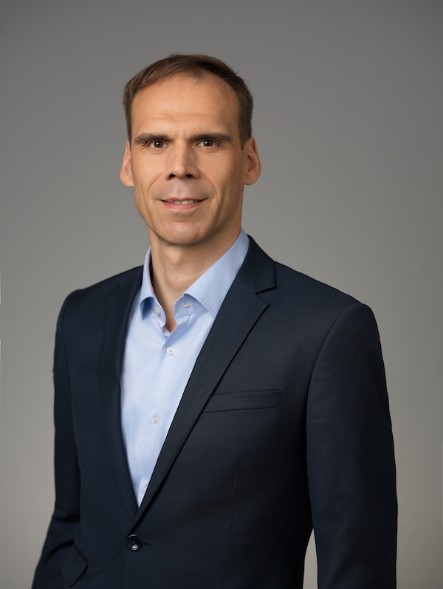 © Benjamin Becker |
Prof. Benjamin Becker
The University of Hong Kong (HKU) Talk: Opportunities for Computational and AI Strategies in Human Neuroscience and Mental Health Abstract Emotional experiences and regulation are fundamental to everyday functioning and mental health. Dysregulation in these domains constitutes a transdiagnostic feature across major mental disorders. Yet a substantial proportion of individuals with such dysregulation do not respond to current treatments, underscoring the urgent need for integrated translational approaches that precisely characterise the underlying brain systems and develop novel strategies to modulate them. In this talk, I will present innovative, synergistic strategies that combine advanced MRI-based neuroimaging with neural decoding to predict subjective emotional experiences and regulation in humans, translate these neurofunctional signatures into accelerated treatment development, and examine how emotional and social computations both shape, and are shaped by, interactions with AI. Benjamin Becker is Full Professor, Director of the MIND & AI Lab, coordinator of the Cognitive Science Programme, as well as Lead of the Strategic Research Theme: AI, Society & Social Dynamics at The University of Hong Kong. His work integrates cognitive and affective neuroscience with advanced neuroimaging and AI-inspired decoding to investigate how the human brain regulates emotion and motivation, and how these processes can be regulated by novel technological and pharmacological means to improve mental health. Prof. Becker has published more than 360 scientific publications, including original articles in Nature Human Behaviour, Nature Communications, Advanced Science and PNAS. He serves as founding Editor in Chief of COG (AAAS, Science partner journal), Principal Editor of Psychopharmacology, and founding Director of the CIBD Task Force of the Global Brain Consortium. |
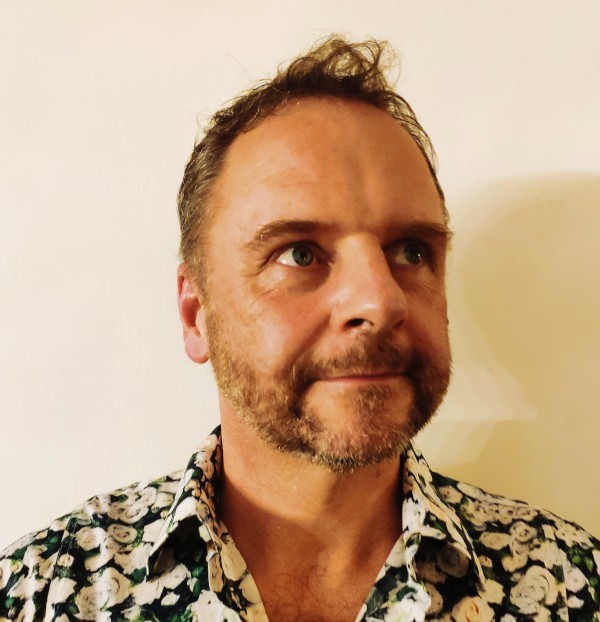 © Jan Schnupp |
Prof. Jan Schnupp
The Chinese University of Hong Kong (CUHK) Talk: Hearing at Time Scales from Seconds to Microseconds: Implications for the Design of Neuroprosthetic Devices Jan Schnupp graduated from University College London with a Bachelor in Genetics in 1990 and obtained a doctorate in Neurophysiology from the University of Oxford in 1996. He was a junior research fellow at Christ Church, Oxford, and a visiting research fellow at the University of Wisconsin at Madison, before joining the faculty of the University of Oxford in 2002, where he was promoted to Professor in 2010. He joined the faculty of City University of Hong Kong in 2016, and was promoted to Chair Professor in 2023. In 2024, Jan joined the faculty of the Chinese University of Hong Kong. |
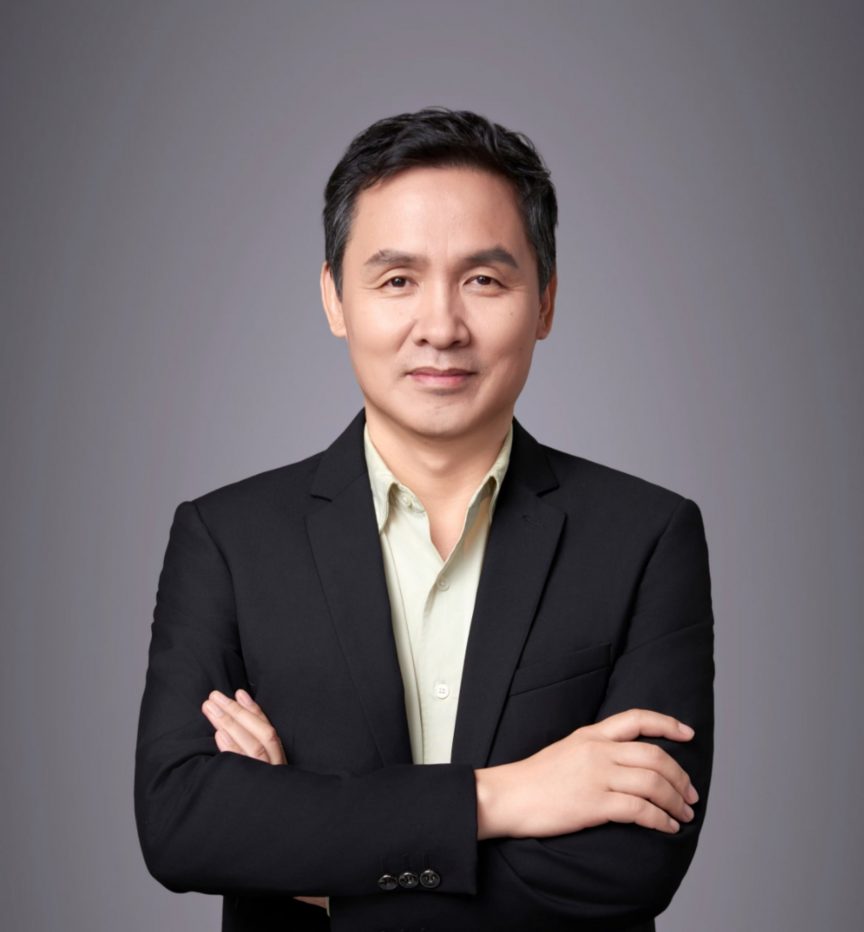 © Wang Liping |
Prof. Liping Wang
Director, The Brain Cognition and Brain Diseases Institute (BCBDI), The Shenzhen Institutes of Advanced Technology (SIAT), Chinese Academy of Sciences, Shenzhen Talk: Survival Circuit Dysfunction in Psychiatric and Metabolic Comorbidity: Insights from Behavioral Plasticity and Brain-Body Crosstalk Abstract The neural circuits governing innate behaviors constitute a “survival circuit,” the dysfunction of which is strongly implicated in the pathogenesis of anxiety, depression, sleep disorders, and metabolic diseases. Nevertheless, the precise operational mechanisms of this survival circuit — particularly the temporal dynamics underlying competitive interactions among fear, sleep, and feeding behaviors — remain largely elusive. Cross-species investigations have advanced our understanding of the cellular and circuit-level mechanisms through which visual survival threats elicit innate fear responses. However, the principles governing individual adaptive variability and behavioral competition in complex environments, including the interplay between sleep and defensive behaviors, are yet to be fully elucidated. Ongoing research in this domain aims to address fundamental gaps in the theoretical framework of “dynamic spatiotemporal optimization of survival circuits,” and to establish a foundation based on behavioral plasticity and brain-body crosstalk to advance mental health interventions and elucidate the mechanisms underlying psychiatric and metabolic comorbidity. Liping Wang is Professor and Director of the Brain Cognition and Brain Diseases Institute (BCBDI) at the Shenzhen Institutes of Advanced Technology (SIAT), Chinese Academy of Sciences. He obtained his PhD in Cellular and Molecular Neuroscience from the Max Delbrück Center for Molecular Medicine, Berlin, in 2005, followed by postdoctoral training at Stanford University (2005–2006) and a Clinical Fellowship at the California Institute for Regenerative Medicine, Stanford University (2006–2009). His research focuses on the neural circuitry of innate behaviors and brain-body interactions. |