


Science Lecture Guangzhou 2025: Bridging Disciplines, Borders, and Brilliant Minds
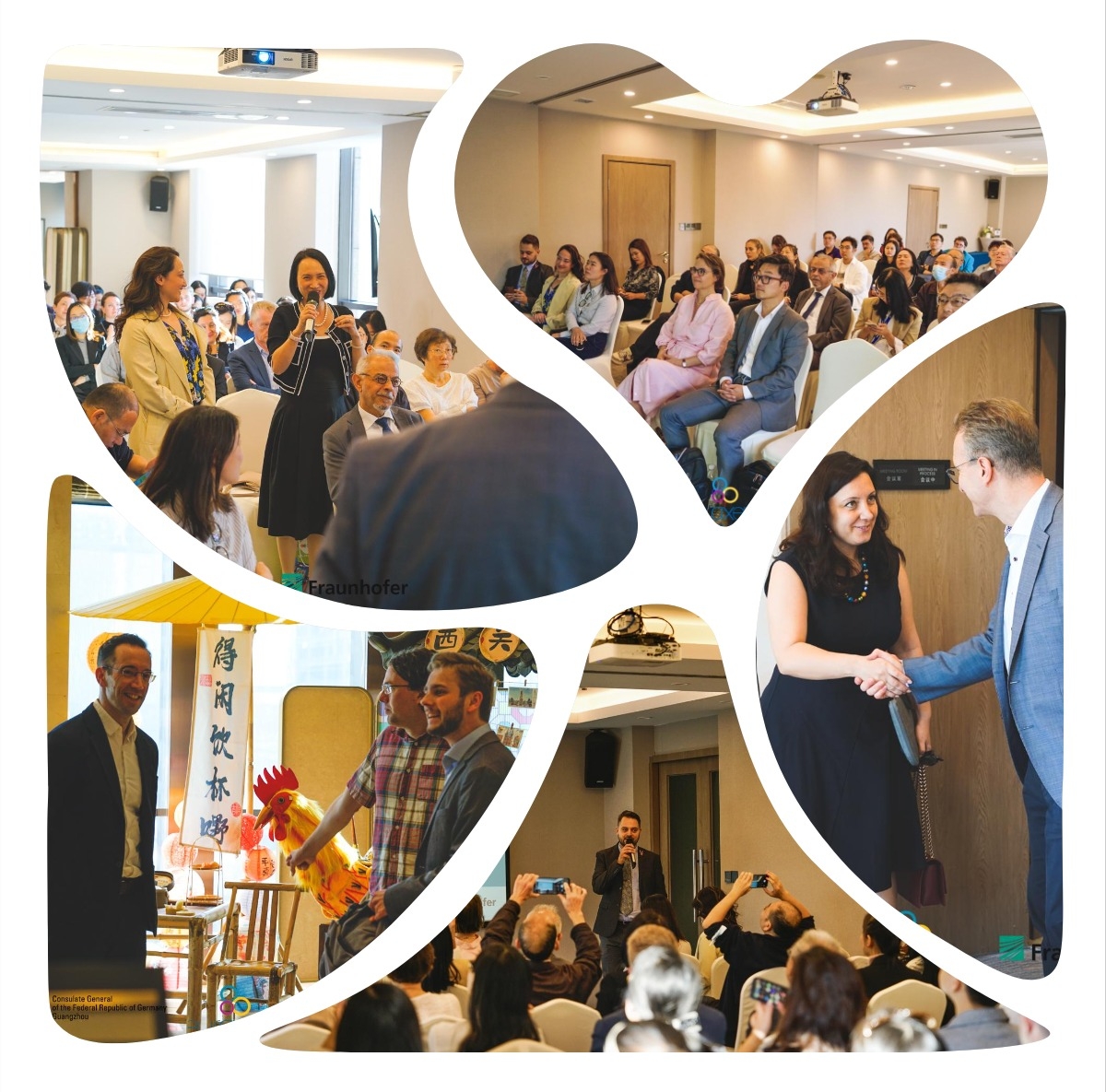
Organized in cooperation with the Consulate General of Germany in Guangzhou, Fraunhofer Gesellschaft, EURAXESS China, and the DAAD Office Guangzhou (German Academic Exchange Service), the event highlighted the strong commitment of all partners to fostering international research collaboration.
© DAAD
Creating Spaces for Exchange
For the DAAD, the Science Lecture has become one of the most meaningful events of the year. It offers a unique space where researchers from different disciplines — and different parts of the world — can meet, connect, and discover new synergies.
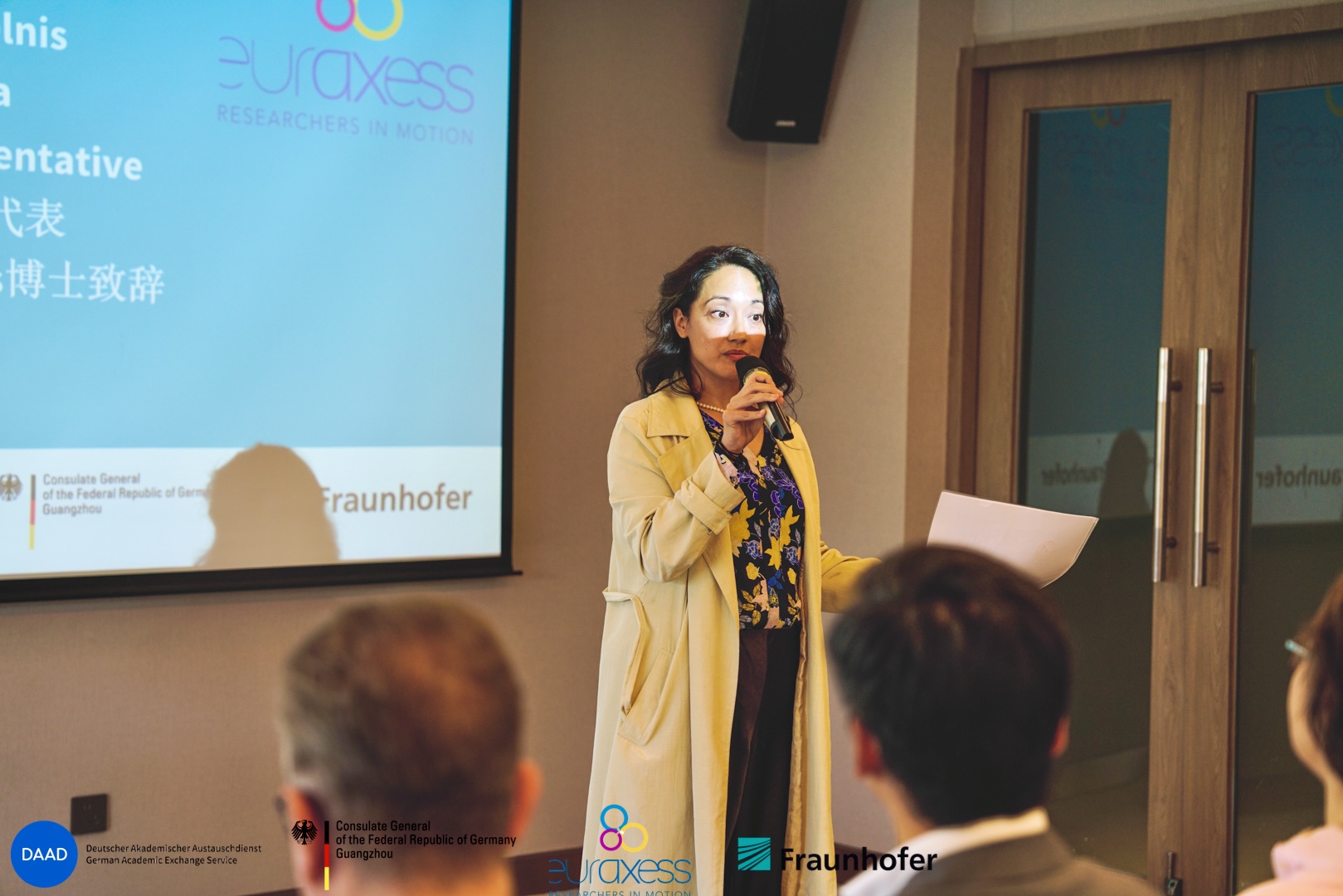
“As organizers, it is a privilege to create these spaces,” says Melanie Späthe (DAAD-Lecturer in Guangzhou, Sun Yat-sen University). “The weeks leading up to the event were intense, but working with fantastic partners and being in the presence of so many brilliant minds makes it all worth it.”
© DAAD
Keynote Insights from Germany and China
From Waste to Value: How Polymer Research Drives Real-World Sustainability
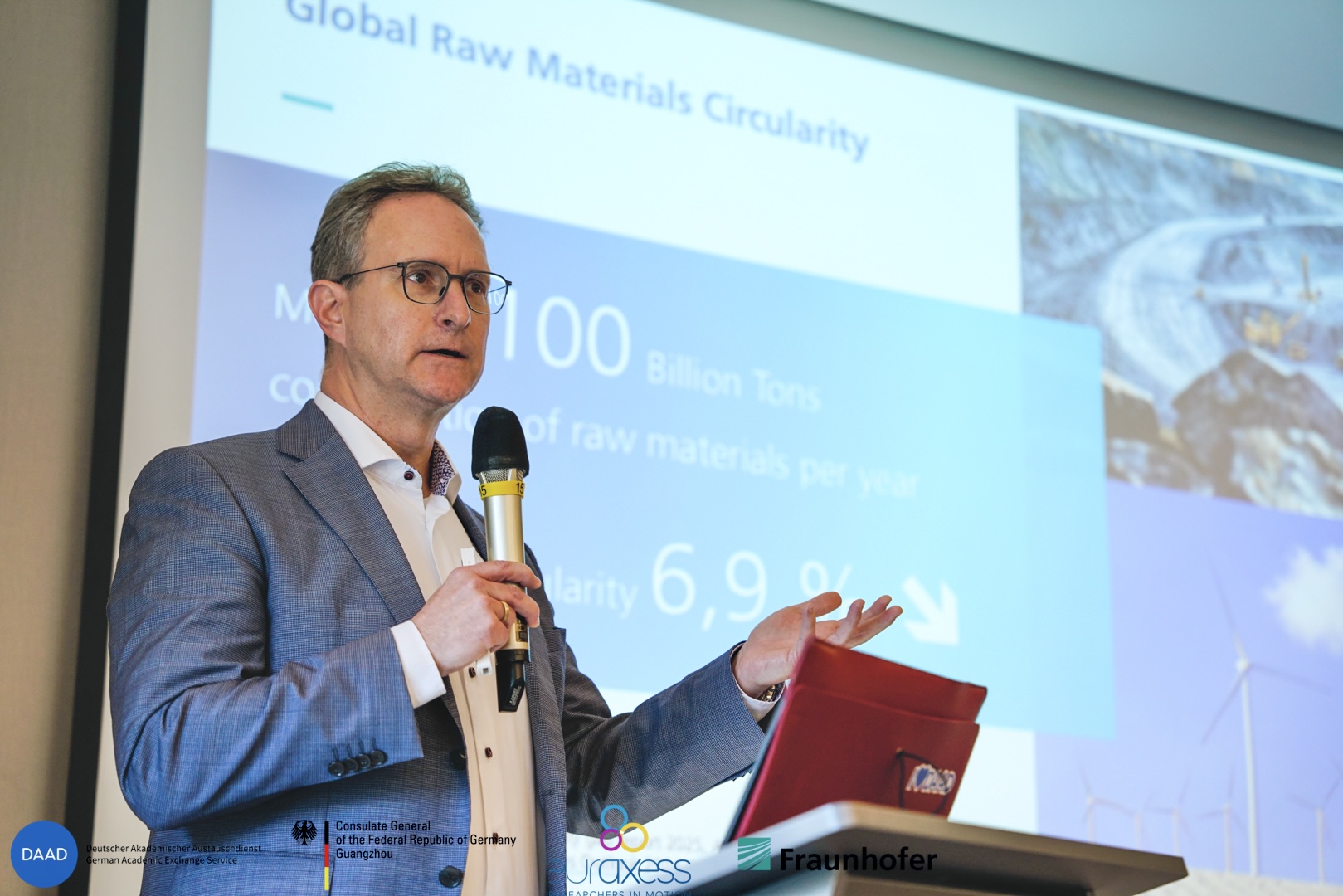
The lecture series opened with Prof. Dr. Alexander Böker, Director of the Fraunhofer Institute for Applied Polymer Research (IAP), who provided insights into current developments in polymer science and its applications for future technologies.
A particularly striking example from Prof. Böker’s keynote illustrated how applied polymer research can directly support a future-oriented circular economy. He presented insights from the TexPHB feasibility study by Fraunhofer IAP and partners, showing that textile waste can be transformed into high-quality, fully biodegradable bioplastics.
© DAAD
In this process, mixed polyester textiles, normally destined for incineration, are broken down into their core components and converted into the biopolymer PHB (polyhydroxybutyrate) using biotechnological methods. This material may not only replace petroleum-based plastics but is also biocompatible, biodegradable, and suitable for applications ranging from medical uses to solutions in agriculture and forestry. The project points toward concrete pathways for building a regional textile circular economy embedded into a global network, with clear recommendations for policymakers.
At the Edge of the Invisible: How Nanomaterials Advance Human Health
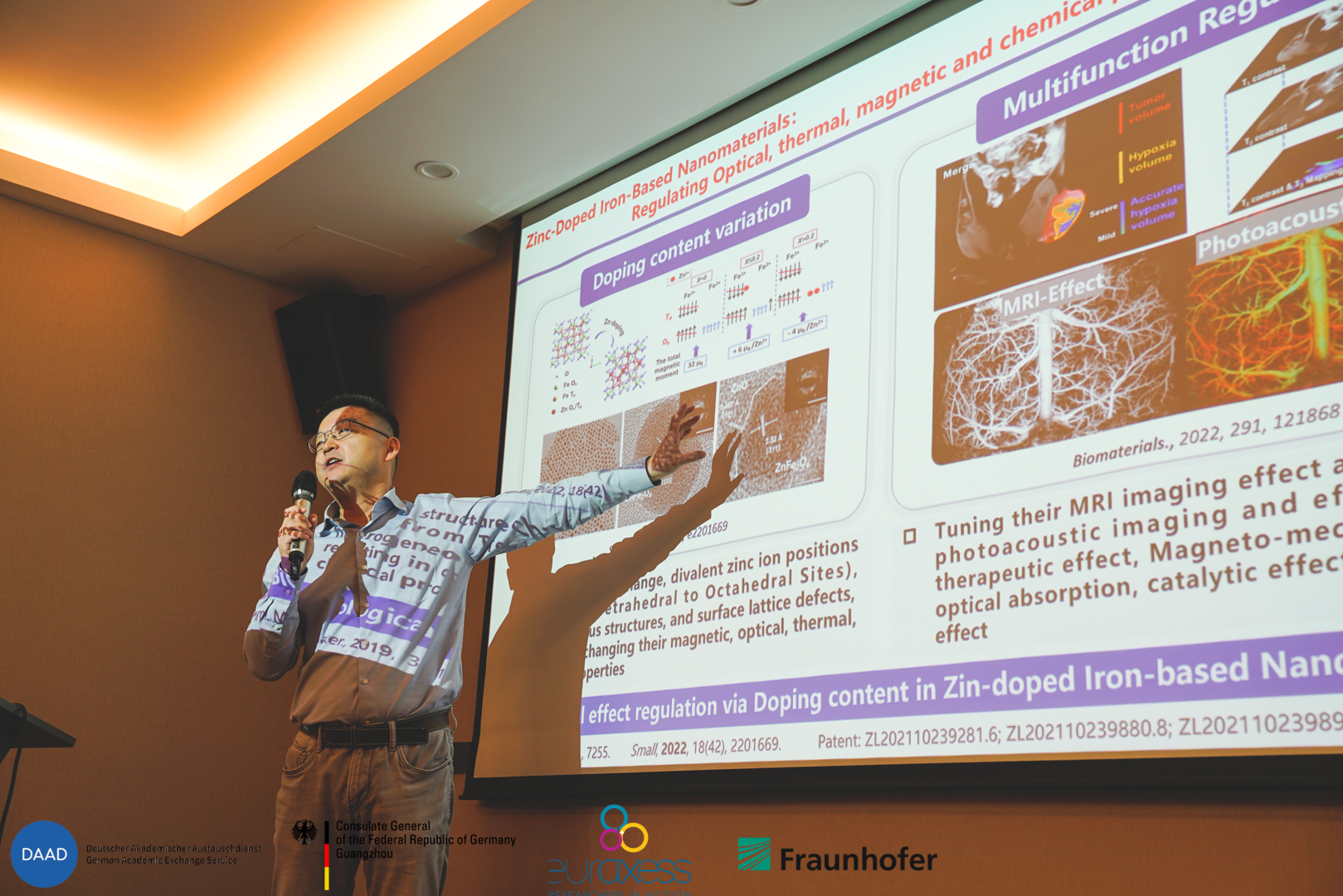
The second keynote was delivered by Dr. Fang Yang, associate Professor at the Ningbo Institute of Materials Technology and Engineering, Chinese Academy of Sciences. His talk on functional nanomaterials for biomedical applications highlighted how innovations at the smallest scale can have transformative impact. Dr. Yang’s main research interests lie in designing novel functional nanomaterials, characterizing their physicochemical properties, and translating them into biological as well as biomedical applications, i.e. bridging materials science and nanobiology. Moreover, he unveiled an AI-driven nano-foundry that tailors multifunctional architectures to meet diverse application demands with precision.
© DAAD
Based on how these nanomaterials interact with biological systems, he and his group have established a real-time, quantitative cytotoxicity analysis platform to investigate nanomaterial bio-interactions and ensure biocompatibility. Recent endeavors have unveiled a groundbreaking approach in which magneto-mechanical forces, orchestrated through precise manipulation of nanoparticles within a dynamically controlled rotating field, transduce motion into exquisitely calibrated pico- and nano-Newton impacts akin to molecular-scale hammers. These finely tuned forces selectively dismantle the actin cytoskeletons of drug-resistant tumor cells, guiding malignant populations toward programmed cell death through an invisible yet profoundly potent biomechanical symphony. Furthermore, the tunable amplitude of these mechanical stimuli endows them with remarkable adaptability across a broad spectrum of biomedical applications, heralding a transformative and versatile frontier in next-generation therapeutic strategies.
Spotlight on Young Innovation: From Falling Walls Lab Shenzhen to Scalable Water Solutions
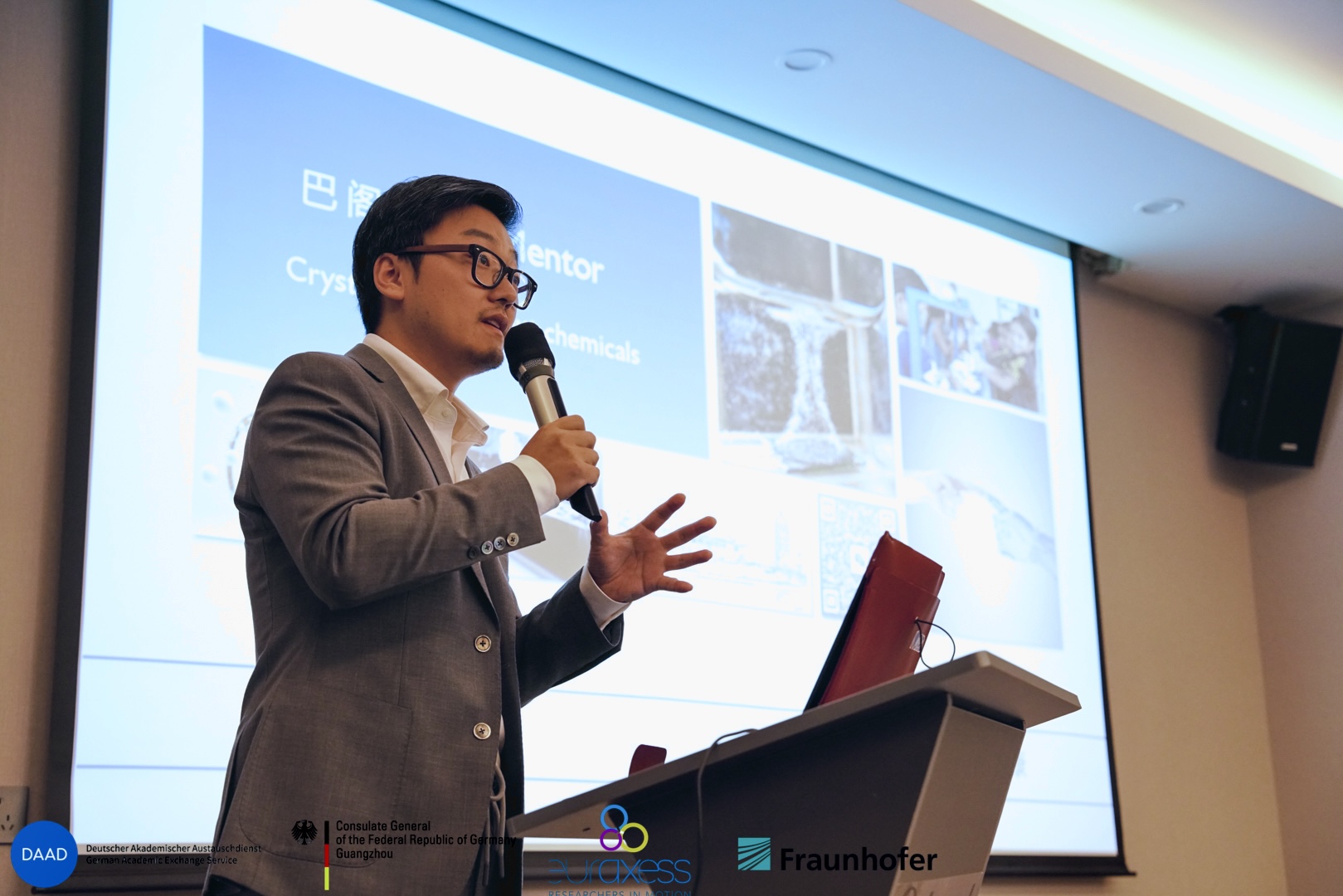
Another highlight of the afternoon came from Mr. Huang Tianqi, winner of Falling Walls Lab Shenzhen 2023, who demonstrated how ideas developed on the Lab stage can grow into impactful real-world projects.
His work as Founder and General Manager of Mentor Environmental Technology tackles one of the most urgent global challenges: access to clean water. While low-income countries often lack basic wastewater treatment, high-income countries struggle with diffuse pollution from agriculture. At the same time, the world faces a severe shortage of water quality data, particularly in many Asian and African regions with limited monitoring infrastructure. Climate change further intensifies the pressure: extreme rainfall, prolonged droughts, and a rapidly accelerating global water cycle disproportionately affect the world’s least developed regions.
© DAAD
Huang’s project offers a practical, scalable solution: skid-mounted, off-grid water purification systems that use low-voltage electrolysis to produce ozone water capable of removing bacteria, viruses, and organic contaminants. These compact units can be rapidly deployed in remote areas, disaster zones, or regions without stable infrastructure.
Field results show the promise of this approach. In one remote mountain community using his system, water quality tests reported zero bacterial counts, achieving a 100% compliance rate with drinking water standards.
Huang’s presentation was a strong reminder of what the Falling Walls Lab movement stands for: empowering young researchers to turn bold ideas into tangible solutions that improve lives, especially in the places where they are needed most.
A Tradition of Dialogue
The event also underscored the longstanding ties between German and Chinese research institutions:
– 100 years of the DAAD,
– more than 50 years of German–Chinese diplomatic relations,
– decades of Fraunhofer innovation,
– and the dynamic contributions of EURAXESS China.
Together, they represent well over two centuries of scientific dialogue and cooperation.
© DAAD
Looking Ahead
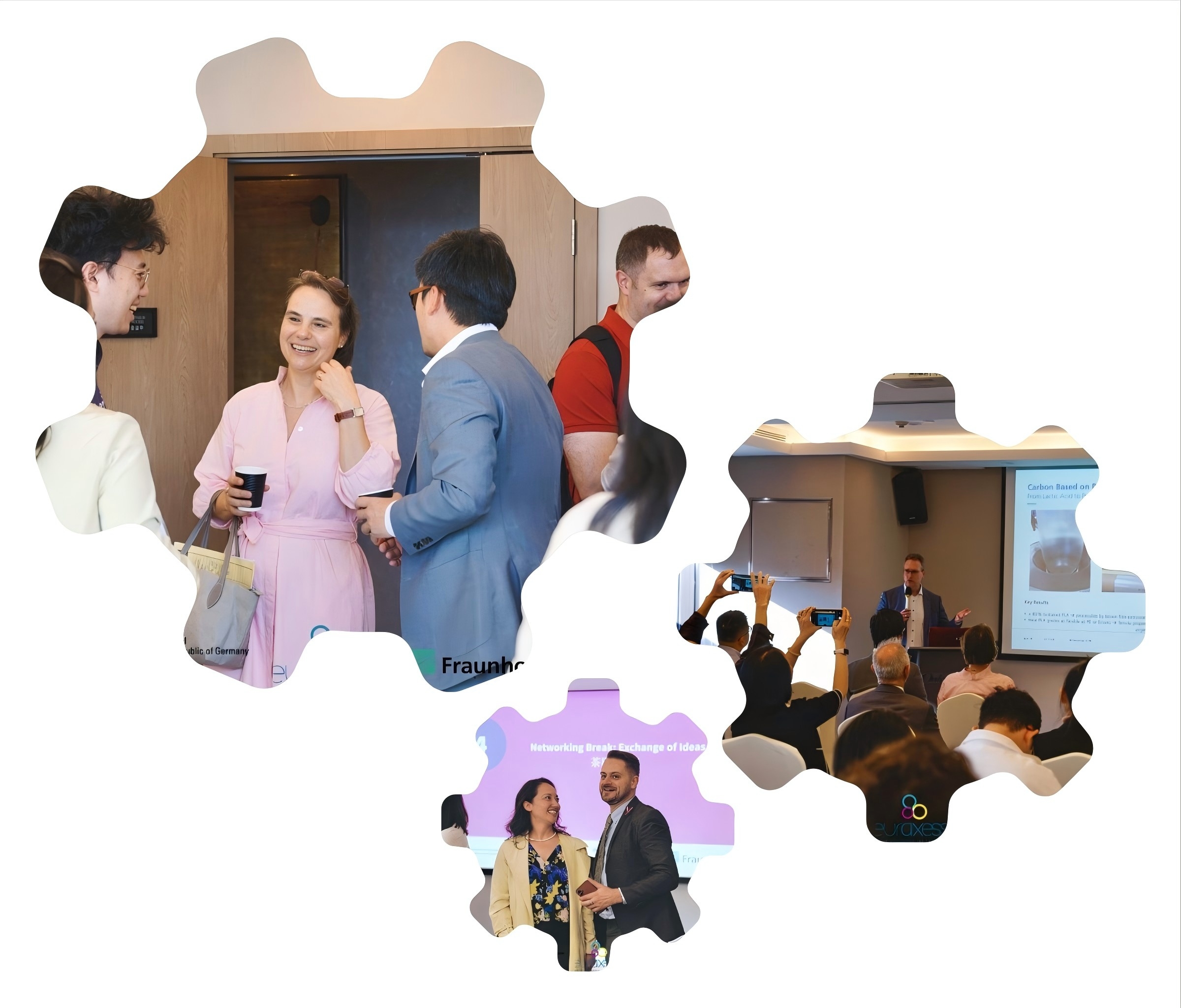
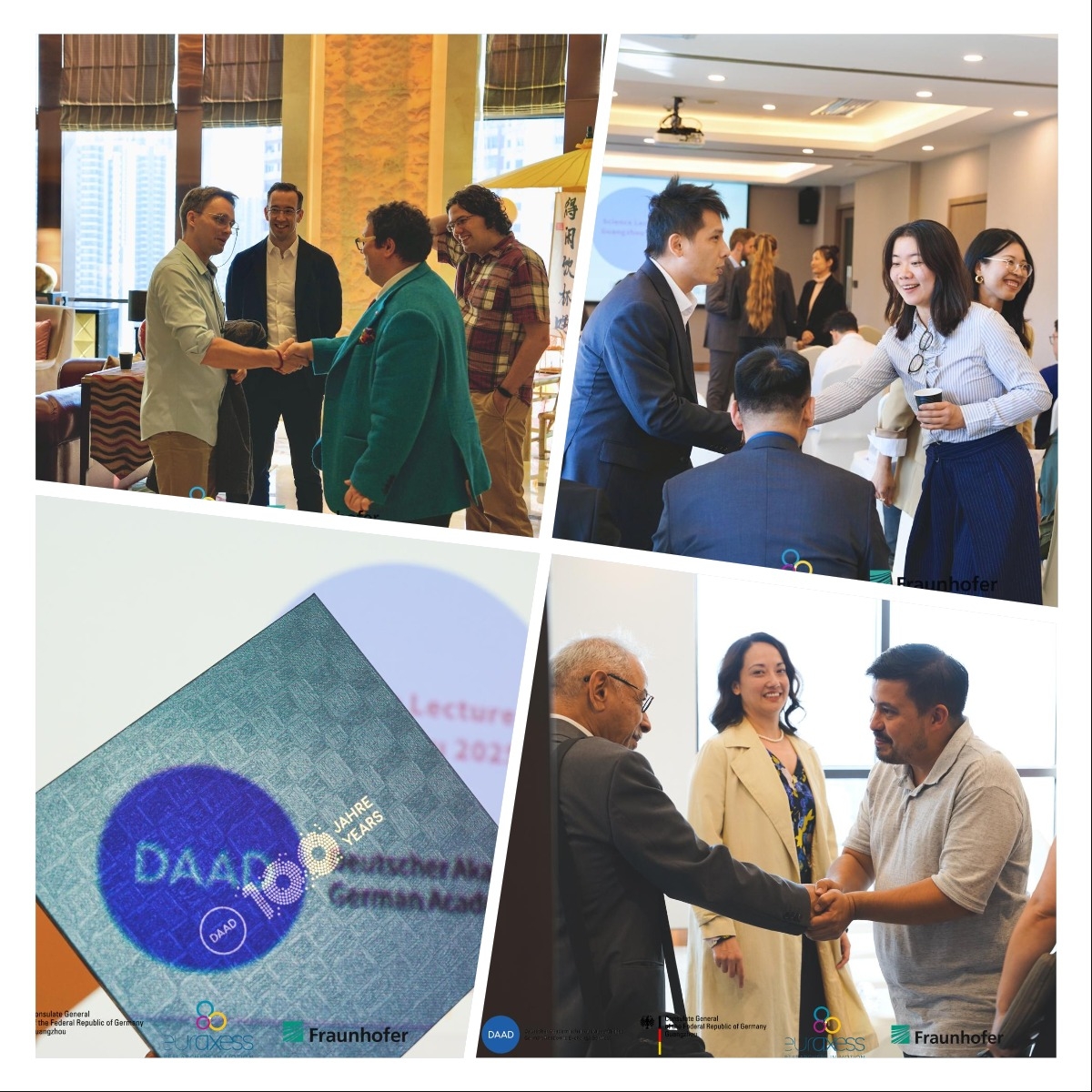
The Science Lecture concluded with a networking reception, giving participants the opportunity to dive deeper into discussions and explore new collaboration possibilities. The positive energy in the room underscored the value of shared scientific spaces — and the huge potential they unlock.
© DAAD
The DAAD Guangzhou looks forward to continuing this tradition of connecting people, ideas, and institutions across borders.
Text/ Melanie Späthe